
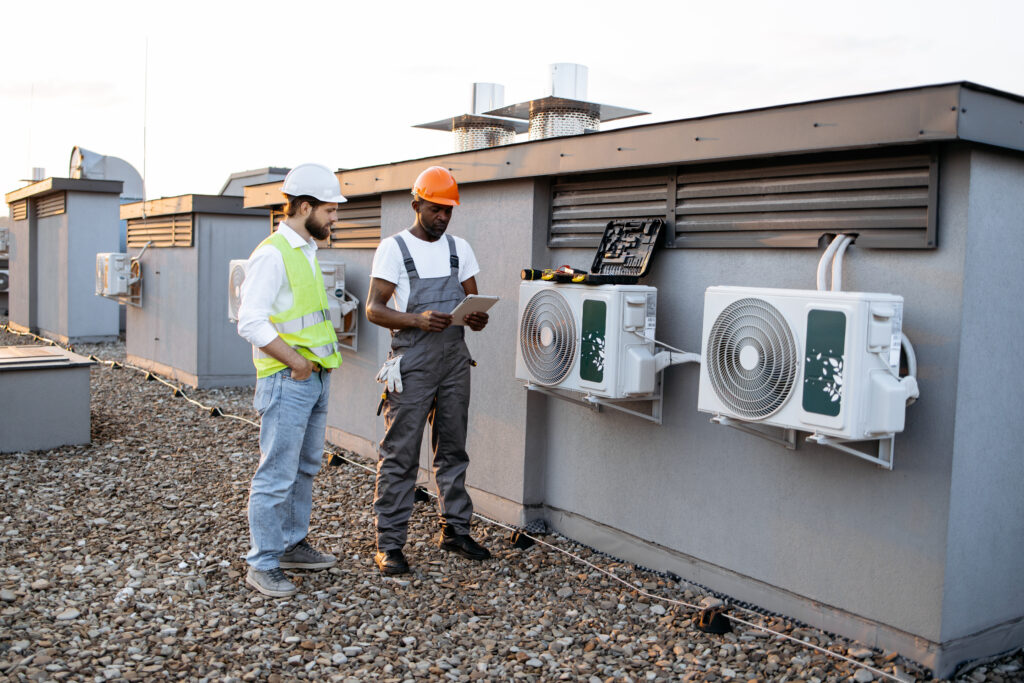
Understanding what is HVAC and how does it work is essential for anyone who values comfort, energy savings, and clean indoor air. In simple terms, heating, ventilation, and air conditioning systems regulate temperature, airflow, and humidity to maintain balanced indoor air comfort.
Whether you’re in a chilly UK winter or a humid summer, an efficient home climate control system ensures every room stays pleasant and healthy. From building temperature control to air filtration and purification, HVAC plays a vital role in modern living. This guide explains how these systems function, their components, and why upgrading to an energy-efficient system is a smart long-term investment.
What Does HVAC Stand For and Mean?
The term HVAC stands for heating, ventilation, and air conditioning. It refers to a system that provides warmth in winter, cool air in summer, and fresh ventilation all year. The main goal of HVAC is to maintain indoor air comfort and stable building temperature control regardless of the weather outside.
In UK homes, residential vs commercial systems vary in size and design but serve the same purpose—delivering balanced air circulation and humidity control. By combining air ventilation systems with heating and cooling, HVAC ensures every room feels just right.
How Does an HVAC System Work?
To understand how does an HVAC system work, imagine a continuous air circulation process. Fresh air enters through filters, passes through a heat pump system or cooling coils, and moves through ducts to maintain even temperature across your home. The thermostat controls this cycle automatically.
The cooling and heating cycle relies on the refrigeration cycle, transferring heat in or out of your living space. This balance between temperature and ventilation keeps your air fresh and breathable—key to improving indoor air quality systems and comfort.
Components of an HVAC System
Every HVAC setup includes essential HVAC components (furnace, ducts, heat pump, thermostat) that work together. The furnace provides heat, the heat pump transfers energy, and ductwork moves air to every room. The air handling unit (AHU) ensures constant airflow.
| Component | Function | Example |
|---|---|---|
| Furnace | Provides warm air | Gas or electric |
| Heat Pump | Transfers heat | Reversible system |
| Thermostat | Controls temperature | Smart digital |
| Ductwork | Distributes air | Flexible or metal |
| Air Handler | Circulates air | Central AHU unit |
Together, these parts maintain effective air filtration and purification and ensure healthy airflow.
Types of HVAC Systems
UK homes use different types of HVAC systems based on property size and energy needs. A central air conditioning system serves large homes with duct networks, while ductless HVAC systems—like a mini split air conditioner—are ideal for smaller spaces or extensions.
Some homes use hybrid heat pump systems that switch between electricity and gas for maximum HVAC energy efficiency. Others prefer geothermal or air-source pumps, which rely on renewable energy sources for heating and cooling.
HVAC vs. Air Conditioning — What’s the Difference?
People often confuse HVAC vs air conditioning because they share similar functions. However, HVAC covers heating, ventilation, and air conditioning, while AC focuses only on cooling. In other words, air conditioning is part of HVAC but not the entire system.
The difference between HVAC and AC is that HVAC controls total air quality—temperature, humidity, and freshness—while AC simply cools air. So, every AC unit is HVAC, but not every HVAC is just AC.
Energy Efficiency in HVAC Systems
Modern homes require energy-efficient systems to cut energy bills and carbon footprints. In the UK, efficiency ratings like SEER and AFUE help homeowners choose systems that meet government standards.
Upgrading to smart thermostats and mechanical air exchange systems can enhance energy efficiency. These technologies adjust automatically, reducing waste and keeping your home climate control optimal throughout the year.
Common Problems and Maintenance Tips
Regular maintenance prevents costly repairs and ensures a longer unit lifespan. Dirty filters, clogged ducts, or malfunctioning thermostats can reduce performance and increase energy bills.
Cleaning vents, replacing filters every 3 months, and inspecting your air handling unit (AHU) help maintain steady airflow. Annual servicing by a professional technician or engineer is vital for system reliability.
HVAC Installation Process Explained
Installing an HVAC system involves several precise steps. The process starts with a site inspection, system design, and proper sizing to match your property’s needs. Engineers then install central heating and cooling units, connect ducts, and test airflow.
In the UK, compliance with safety and energy standards is essential during installation. Proper setup ensures your investment delivers efficient heating and cooling systems for many years
Cost of a New HVAC System
The installation cost in the UK depends on the type and size of the system. Small ductless systems can start around £2,500, while large central air conditioning installations range between £5,000–£10,000.
| System Type | Average Cost (£) | Lifespan (Years) |
|---|---|---|
| Ductless Mini Split | 2,500–4,000 | 15–20 |
| Central System | 5,000–10,000 | 20–25 |
| Hybrid System | 6,000–9,000 | 20+ |
Factors like property size, insulation, and location affect total price.
Benefits of an Efficient HVAC System
Efficient heating and cooling systems offer comfort, lower bills, and cleaner air. The main advantages of these systems include reduced humidity, consistent temperature, and improved air freshness.
A well-maintained unit also extends HVAC unit lifespan, supports sustainability goals, and raises property value. For UK homes, this balance between comfort and efficiency makes HVAC indispensable.
Final Thoughts — Why It Matters for Every Home
Understanding what is HVAC and how does it work helps you make better decisions about comfort, safety, and energy savings. Whether upgrading an old system or installing a new one, efficient design improves your indoor air quality systems and reduces long-term costs.
The future of indoor air comfort is smarter and greener. Upcoming HVAC systems feature AI monitoring, self-cleaning filters, and renewable energy integration.
As the UK moves toward net-zero emissions, energy-efficient HVAC technology like solar-powered systems and adaptive air filtration and purification will redefine how homes manage building temperature control.
How to Choose the Right HVAC Company Near You
Selecting a reliable HVAC installer in the UK is crucial. Look for certified professionals registered with Gas Safe and F-Gas. Check online reviews, warranties, and maintenance packages before signing a contract.
A trustworthy HVAC technician or engineer will provide transparent pricing, proper sizing, and long-term support. Professional installation guarantees optimal HVAC energy efficiency and comfort.
Careers in HVAC — Becoming a Technician
A career in HVAC offers stability and high demand in the UK. HVAC technicians or engineers handle installation, repairs, and system design across residential and commercial properties.
Training usually involves apprenticeships or technical certifications. As energy-efficient HVAC systems expand, skilled professionals are increasingly valued in the green job sector.
HVAC Industry Standards and Regulations
In the UK, HVAC systems must comply with Building Regulations Part L, F-Gas laws, and energy-efficiency codes. These standards ensure safety, sustainability, and quality performance.
Organisations like CIBSE and BESA guide contractors to follow best practices. Compliance protects both the environment and homeowners from unsafe air conditioning systems.
Final Thoughts — Why HVAC Matters for Every Home
Understanding what is HVAC and how does it work helps you make better decisions about comfort, safety, and energy savings. Whether upgrading an old system or installing a new one, efficient HVAC design improves your indoor air quality systems and reduces long-term costs.
Modern HVAC components don’t just heat or cool—they create healthier living environments. For UK homes and businesses, investing in reliable heating, ventilation, and air conditioning is the smartest step toward sustainable comfort.